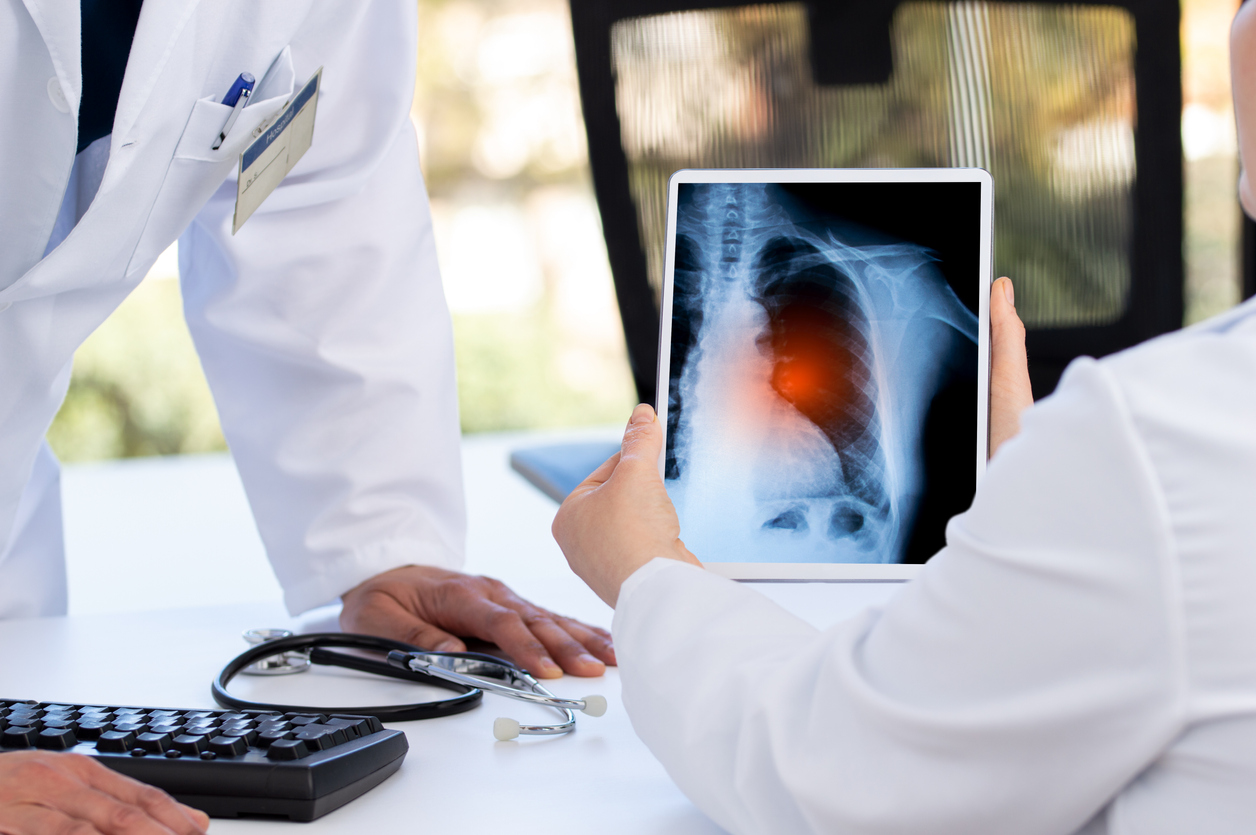
Tuberculosis Testing & Treatment
Weber-Morgan Health Department provides testing, monitoring, and treatment for both active tuberculosis (TB) disease and latent tuberculosis infection (LTBI).
Frequently Asked Questions About Tuberculosis
What is TB?
Tuberculosis is caused by a bacteria called Mycobacterium tuberculosis. TB most commonly impacts the lungs, but can affect other parts of the body. TB is a preventable and treatable condition.
How is TB spread?
TB is spread from person to person through the air when a person with Active TB in the lungs coughs, speaks, or sneezes. People nearby may inhale the bacteria and become infected.
TB is not spread by:
- Shaking hands
- Sharing food or drinks
- Sharing surfaces
What’s the difference between Active TB and Latent TB?
Active TB: An individual with active TB disease may show symptoms such as coughing, fevers, night sweats, or weight loss lasting longer than three weeks. Treatment is needed as soon as possible as the sick individual may transmit the disease to other people.
Latent TB (LTBI): An individual is not showing signs or symptoms of sickness, however, the TB bacteria is in their body. An individual with Latent TB Infection cannot spread TB to other people. However, treatment is still recommended as soon as the infection is discovered to prevent future illness.
According to the World Health Organization, approximately one-fourth of the world’s population have the TB bacteria in their body, however, only a small proportion of those with the bacteria will become ill with TB. Those with the bacteria in their body have a lifelong chance of becoming ill with the condition. Those with higher risk factors listed below have a higher chance of falling ill with TB.
When a person develops active TB, symptoms may be mild for longer than the initial three week period. This can lead to delays in seeking care, and results in transmission of the bacteria to others. Without treatment, an individual with active TB disease can spread the infection to others by prolonged close contact (such as living in the same house, sharing an office at work).
Who is at higher risk for TB infection?
Individuals may be at higher risk for TB infection if they:
- Have/had close contact with an individual diagnosed with TB
- Were born in or traveled to countries where TB is common
- Have a weakened autoimmune system (such as HIV, diabetes, specific medications)
- Live or work in settings with high-volume housing (shelters, correctional facilities)
How is TB tested for?
TB testing may include:
- Tuberculosis Skin Test (TST)
- TB blood test (IGRA)
- Chest (x-ray)
The Weber-Morgan Health Department conducts TB Skin Tests; however, personal care providers may recommend other forms of testing as seen fit for an individual.
How is TB treated?
TB can be treated with antibiotics. Treatment length is determined by if an individual has active or latent TB infection. It is important to complete the full course of medication to treat TB.
Active, drug-sensitive TB disease is treated with a standard 6-month course of 4 antimicrobial drugs that are provided with information, supervision and support to the patient by a health worker or trained volunteer. The vast majority of TB cases can be cured when medicines are provided and taken properly.
Tuberculosis Services
Clinical services offered by Weber-Morgan Health Department include:
- TB Testing
- Medication administration
- Education and case management
Tuberculosis Testing Fee:
| Tuberculosis Testing | Fee Amount |
|---|---|
| Tuberculosis Test | $20 |
Questions & Availability
📞 Questions about tuberculosis testing or treatment? Please contact the Clinical Nursing Staff at (801) 399-7250. If you have had a positive TB test previously and have further questions or concerns, please call to talk with our nursing staff.
Tuberculosis testing is provided by appointment:
- Mondays, Tuesday, and Wednesday – except holidays
Clients must return 48 to 72 hours after testing for verification of test results.
Additional Information:
Learn more about tuberculosis from What You Need to Know about Tuberculosis (PDF, 605 KB) from the U.S. Department of Health and Human Services.
You can also view the video about TB prevention titled Understanding Tuberculosis (7 minutes) from the Massachusetts Department of Public Health for more details.